Garage Door Opener Horsepower: How to Pick 1/2, 3/4, or 1 HP
The motor rating is the one spec homeowners guess at — and the one that quietly decides how long the rest of the door lasts. Here is how we size it on South Florida jobs.
What horsepower actually does
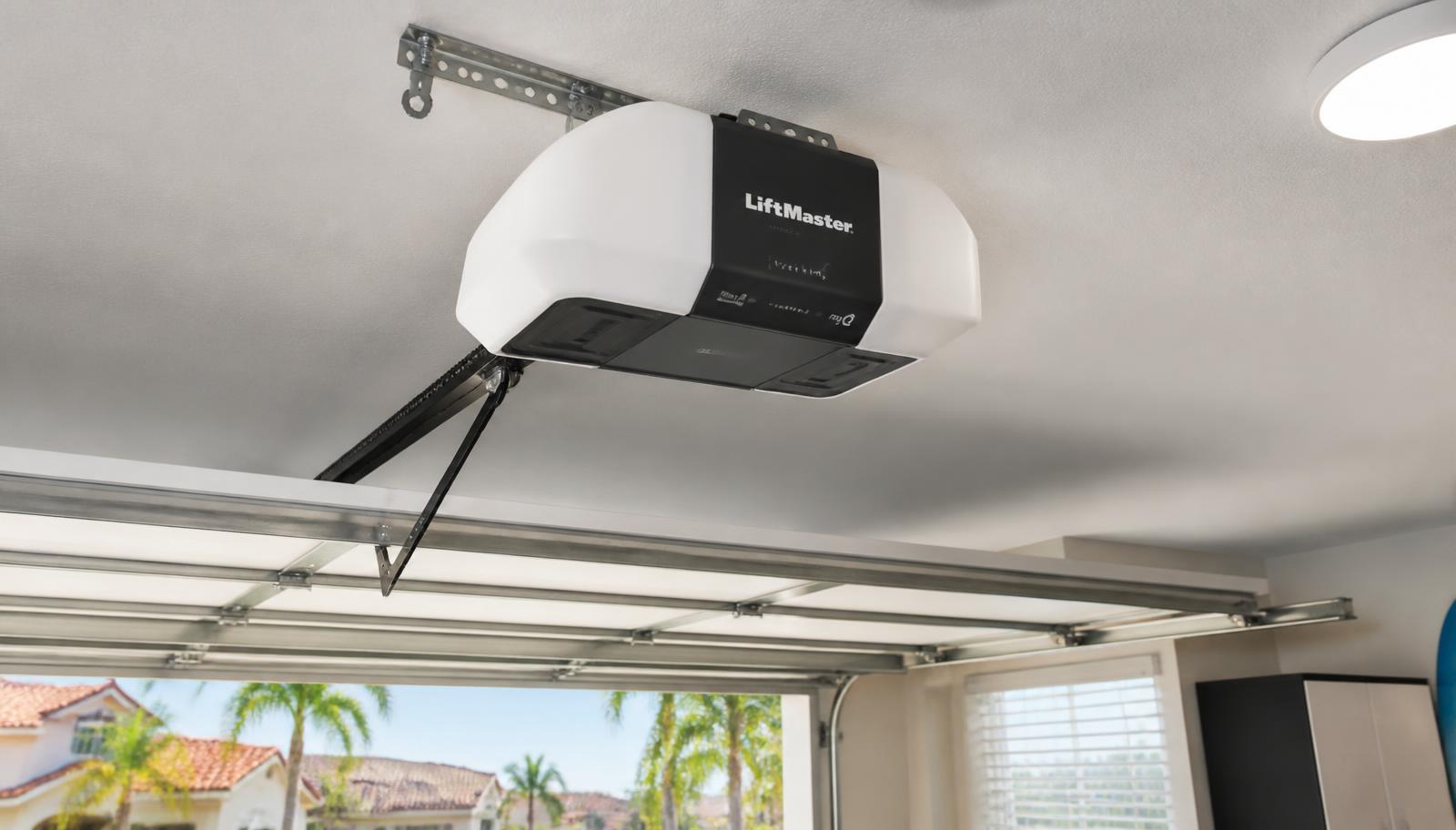
A healthy garage door is counterbalanced by its springs, so the opener is not lifting 250 lbs of steel — it is nudging a balanced load along the track and holding it under control. Horsepower describes how much reserve the motor has while it does that. More reserve means the motor spends less of its life at the edge of its rating, which is where heat, worn gears, and burned-out capacitors come from.
That is also why horsepower can never make up for a door that is out of balance. If your door feels heavy by hand, the fix is the spring system, not a bigger motor.
Sizing it to your door
| Rating | Best for |
|---|---|
| 1/3 HP | Light single-car doors, low use. Cheap up front — we rarely recommend it on a home you plan to stay in. |
| 1/2 HP | The default for standard single and non-insulated 16x7 double doors on good springs. |
| 3/4 HP | Insulated doubles, doors with glass sections, 8-ft-tall doors, and daily heavy use. Our most common recommendation in Boca and Parkland. |
| 1 HP / 1.25 HPe | Solid wood, carriage-house, and oversized or hurricane-rated doors with heavy bracing. |
Ratings are a starting point — door weight, height, and spring condition decide the final call.
What goes wrong when it is mismatched
Underpowered openers announce themselves: the door hesitates near the top, the motor hums louder each month, and the safety reverse starts tripping for no reason. The load does not disappear — it moves onto the cables, rollers, and track, so a cheaper motor now turns into an off-track door a year later.
Overpowered is the quieter failure. A big motor on a light door starts and stops hard, which loosens panel hinges, rattles the top section, and walks the door sideways in the track over time. It also masks a genuine problem: a motor with that much reserve will keep dragging a failing door until something breaks outright.
Specs that matter more than the number
- Battery backup. Required by Florida law on new residential openers — and the reason your door still opens during a storm outage.
- DC motor with soft start/stop. Quieter, gentler on panels, and the single biggest upgrade if a bedroom sits above the garage.
- Drive type. Belt for quiet, chain for budget, jackshaft for high ceilings and storage racks.
- Rail length. Standard rails cover 7-ft doors; an 8-ft door needs an extension kit.
- WiFi / MyQ. Confirm the door is closed from your phone, and grant access without handing out remotes.
FAQ
Is 1/2 HP enough for a two-car garage door?
Often yes — a standard 16x7 non-insulated steel door on properly balanced springs runs fine on 1/2 HP. Once you add insulation, glass, or an 8-ft height, step up to 3/4 HP so the motor is not working at the top of its range every cycle.
Does more horsepower make the door open faster?
Not really. Travel speed is set by the drive design and the logic board, not raw horsepower. Extra horsepower buys headroom under load, not speed.
What about DC motors rated in "HP equivalent"?
Most modern openers use DC motors and advertise an HP-equivalent (HPe) rating. Compare HPe like HP, but expect quieter operation, soft start/stop, and — importantly in Florida — the built-in battery backup that state law requires on new residential openers.
Can the wrong horsepower damage my door?
Yes, in both directions. An overpowered opener slams a light door and knocks panels and tracks out of alignment; an underpowered one strains, overheats, and pushes wear onto the springs, cables, and rollers.
Not sure what your door weighs?
We weigh and balance the door before quoting an opener, so you buy the rating you actually need.
Garage door opener repair & installation →